By their third birthday, children have achieved remarkable control over their major muscle groups. They can walk steadily, climb with determination, run with joy, and navigate stairs independently with one foot on each step. This newfound physical capability opens up a world of possibilities for active play and social interaction.
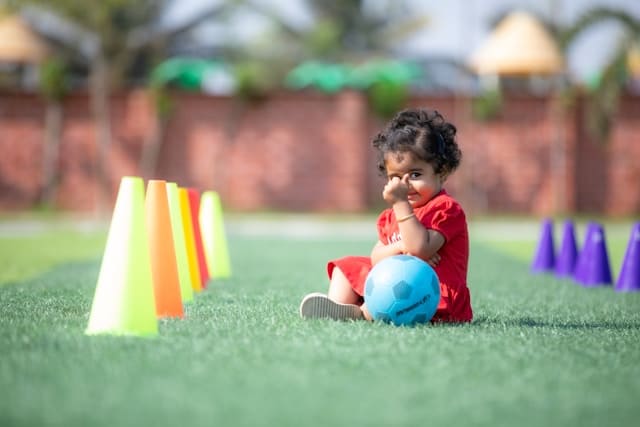
At this stage, your child is ready to join in active play with other children and will thrive in open spaces like local playgrounds and early childhood development centers. These environments provide the setting for them to test their physical abilities, build social skills, and burn off that seemingly endless supply of energy.
Understanding the Learning Curve
Three-year-olds are just beginning to grasp the concept of boundaries and rules. Their understanding of danger and personal safety is still developing, which means they may not always recognize risky situations as they climb, run, or explore. This does not mean holding them back from physical activity, but rather providing appropriate supervision and gentle guidance as they learn.
Parenting during this stage can feel both challenging and deeply rewarding. The key is to remember that we are all learning as we go, and there is always room to grow alongside our children.
Practical Tips for Supporting Healthy Growth
Be Active, Involved, and Observant
Your active involvement in your child’s life makes a significant contribution to their development and creates benefits for both of you. Being present and engaged is good for your child and rewarding for you as a parent. Notice how your participation in their activities, whether it is playing at the park or reading together before bed, strengthens your bond and boosts your confidence as a parent.
Support Physical and Mental Well-being
Help your child grow healthily in two areas: physically through active play and movement, and mentally through creating an environment where they feel safe and loved. When you share parenting tasks with family members and work together to nurture your child’s happiness, you are not just raising a healthy individual, you are building a harmonious family life that benefits everyone.
Observe how collaborative parenting reduces stress and creates more opportunities for your child to receive attention, love, and guidance from multiple caring adults.
Prioritize Social Play Opportunities
Make it a point to arrange playdates and group activities where your child can interact with peers. You will quickly notice that these social interactions make your child more sociable and comfortable around others. Beyond the social benefits, active play with other children helps them expend energy, which often leads to better sleep patterns and a more settled routine at home.
Regular interaction with other children also teaches valuable lessons about sharing, taking turns, and navigating the give-and-take of friendships.
Develop Emotional Intelligence Together
Use everyday moments as opportunities to help your child understand emotions. When reading books or looking through magazines together, ask your child to point out different emotions: “Can you show me who looks happy? Who looks sad?” These simple exercises help them develop emotional awareness and vocabulary.
Pay attention to your child’s own emotional expressions. When they are upset, take the time to talk with them about what they are feeling. This practice validates their emotions and teaches them that feelings are natural and manageable, building a foundation for emotional resilience that will serve them throughout life.
Establish Clear Rules and Boundaries
Three-year-olds need consistent, understandable rules to feel secure and learn self-control. When establishing boundaries, make sure your child grasps the basic idea of rules and why they exist. This might mean explaining in simple terms: “We hold hands in the parking lot to stay safe” or “We use gentle touches with our friends.”
When rules are broken, respond firmly but respectfully. Avoid shouting, as research shows it is ineffective and can damage your relationship with your child. Instead, calmly address the behavior, explain why it is not acceptable, and redirect them toward the appropriate action.
Equally important is offering praise when they follow rules. Positive reinforcement helps children understand what behaviors you want to see more of and makes them feel proud of their choices. A simple “I noticed you shared your toy with your friend; that was very kind” goes a long way.

The Bigger Picture
Remember that raising a healthy, strong child is not just about physical milestones or perfect behavior. It is about creating an environment where your child feels loved, supported, and encouraged to explore their capabilities within safe boundaries. It is about being present, observant, and willing to adapt your approach as your child grows and changes.
Every child develops at their own pace, and comparing your child to others rarely serves a useful purpose. Focus instead on celebrating your child’s individual progress, supporting their unique strengths, and gently guiding them through challenges.
Parenting is a process of continuous learning and improvement. By staying active in your child’s life, supporting both their physical and emotional development, providing opportunities for social interaction, and establishing clear but loving boundaries, you are giving your child the foundation they need to grow into a confident, capable, and happy individual.
And on those days when the vegetables remain untouched and the playground feels overwhelming, remember: you are doing better than you think, and each day brings new opportunities to connect, learn, and grow together.
Related posts
- Holiday Activities At Home For Kids
- Family Travel With Kids
- Family Emergency Kit
- First Aid Essentials
- Creating Healthy Digital Habits at Home