As parents, we often notice when something seems “off” with our child. A meltdown over a clothing tag. Refusing certain foods. Seeming clumsy. But what happens when these behaviors are not just typical childhood fussiness? What if your child is experiencing the world in a fundamentally different way?
This is often the reality for children with Sensory Processing Disorder (SPD). formerly called Sensory Integration Dysfunction. SPD is a condition where the brain has difficulty receiving and responding to sensory information from the body and environment. While not yet recognized as a standalone diagnosis in the DSM-5, it is widely discussed in clinical and therapeutic settings, particularly in occupational therapy circles.
According to the STAR Institute for Sensory Processing, 1 in 20 children may have sensory processing difficulties significant enough to impact daily life. Many more experience milder forms that still create challenges at home, school, and in social settings.
The good news? With early recognition and the right strategies, parents can improve their child’s ability to navigate the world comfortably. This guide will help you understand SPD, recognize the signs, and discover practical ways to support your child.
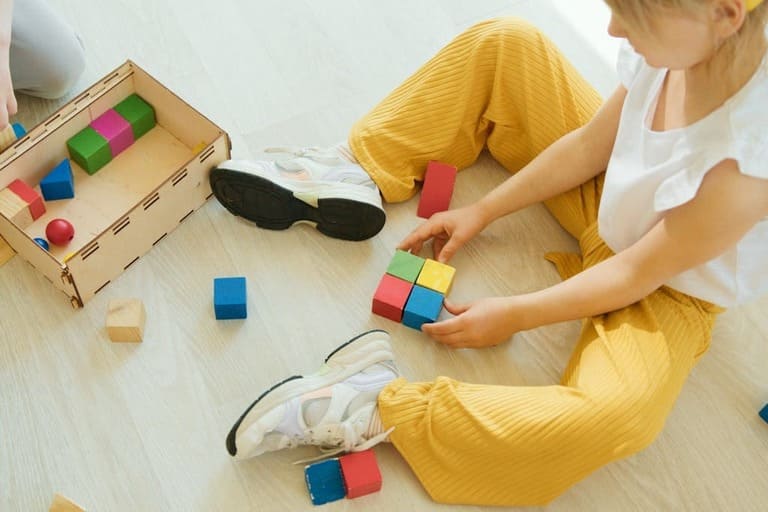
What Is Sensory Processing Disorder?
Sensory processing refers to how our nervous system receives sensory input from the body and environment, then organizes and interprets that information for appropriate responses. For most people, this happens automatically. We hear a loud noise and know to look around. We feel hungry and seek food. We touch something hot and pull away.
For children with SPD, this system works differently. Their brains may:
- Over-respond to sensory input (feeling overwhelmed by sensations others barely notice)
- Under-respond to sensory input (seeking intense stimulation)
- Have difficulty discriminating between different sensory inputs
It is like having a volume knob stuck on very high or very low when everyone else’s is set to a comfortable level. The same classroom that feels normal to most children may feel chaotic and overwhelming to a child with sensory sensitivities.
This relates closely to Picky Eating Solutions, as many children with SPD have extreme food selectivity due to sensory sensitivities.
The Eight Sensory Systems
To understand SPD, you need to know that we actually have eight sensory systems, not just the traditional five:
| System | Description | Examples |
|---|---|---|
| Visual | Processing light and visual details | Recognizing faces, reading, tracking movement |
| Auditory | Processing sounds and language | Hearing spoken words, distinguishing tones |
| Tactile | Processing touch sensations | Textures, temperature, pain response |
| Gustatory | Processing taste | Food preferences, flavor sensitivity |
| Olfactory | Processing smells | Reaction to strong odors, food smells |
| Vestibular | Processing movement and balance | Riding bikes, spinning, body position |
| Proprioceptive | Processing body position and movement | Coordinated movement, knowing where limbs are |
| Interoceptive | Processing internal body signals | Hunger, thirst, bathroom needs, emotional awareness |
Most SPD discussions focus on tactile, vestibular, proprioceptive, and auditory/visual systems, but any combination can be affected.
Types of Sensory Processing Disorder
1. Sensory Modulation Disorder (SMD)
The most common type, SMD affects how the child regulates their sensory responses.
Over-Responsivity (Sensory Avoiders)
- Cover ears at sudden sounds
- Refuse to wear certain fabrics or clothing
- Be distressed by bright lights or strong smells
- Avoid messy play (finger painting, sand, slime)
- Struggle with grooming tasks (hair brushing, teeth brushing)
Under-Responsivity (Sensory Seekers)
- Crave deep pressure (hugs, tight clothing)
- Seek out spinning, jumping, crashing activities
- May appear clumsy or uncoordinated
- Have high pain tolerance
- Seem oblivious to messy hands or faces
Sensory Craving
- Constantly touch people and objects
- Cannot sit still, always moving
- May lick or chew non-food items
- Seek intense sensory experiences
2. Sensory-Based Motor Disorder (SBMD)
Affects posture and movement:
Dyspraxia (Developmental Coordination Disorder)
- Difficulty with planning and executing movements
- Clumsiness, frequent tripping
- Trouble with self-care tasks (dressing, using utensils)
- Avoids activities requiring coordination
Postural Disorder
- Poor posture, slumping
- Weak muscle tone (hypotonia)
- Difficulty with balance activities
- May appear “floppy”
3. Sensory Discrimination Disorder (SDD)
Difficulty determining the quality, intensity, or location of sensory information:
- Cannot tell when they are hungry or need the bathroom
- Difficulty judging how much force to use
- Problems with spatial awareness
- Trouble distinguishing similar sounds or textures
For more on child development, read about Early Childhood Development.
Warning Signs by Age
Infants (0-12 months)
- Extreme colic or fussiness
- Strong resistance to being held or comforted
- Avoiding tummy time (not just protesting, but distressed)
- Extremely sensitive to light, sound, or textures
- Difficulty with feeding (refusing certain textures)
- Not reaching developmental milestones in movement
Toddlers (1-3 years)
- Frequent, intense tantrums with no clear cause
- Extreme food selectivity (“picky eating” that severely limits diet)
- Clumsiness, frequent falls
- Resistance to new experiences or environments
- Difficulty transitioning between activities
- Trouble sleeping (sensory-related sleep issues)
- Strong preference for certain clothing
Preschoolers (3-5 years)
- Difficulty with peer interactions
- Struggles in preschool or daycare settings
- Extreme reactions to sensory input (sounds, textures, lights)
- Trouble following multi-step instructions
- Poor fine motor skills (scissors, crayons, buttons)
- Frequently covering ears or eyes
- Noticing when adults’ voices change or feeling slight temperature changes
School-Age Children (5-12 years)
- Difficulty concentrating in noisy or visually busy environments
- Struggles with handwriting
- Poor social skills or understanding personal space
- Avoids gym class or physical activities
- Extreme fatigue after school (sensory overload)
- Difficulty with organization and planning
- Emotional dysregulation over seemingly small issues
When to Seek Professional Help
While some sensory sensitivities are normal developmental stages, consider seeking professional help if your child:
- Shows patterns of extreme reactions that do not match the situation
- Has difficulties that disrupt daily life (school, sleep, eating, social)
- Experiences significant distress from sensory input
- Falls significantly behind developmental milestones
- Has self-injurious behaviors (head banging, biting)
- Shows regression in skills they previously had
Who to See
Occupational Therapist (OT) — Primary treatment provider for SPD
- Conducts sensory assessments
- Provides sensory integration therapy
- Recommends environmental modifications
Developmental Pediatrician or Pediatric Neurologist
- Can rule out other conditions
- May diagnose ADHD, autism, or other co-occurring conditions
- Can prescribe additional therapies
Child Psychologist or Counselor
- Addresses emotional impact of SPD
- Helps with anxiety and self-esteem
- Provides parent coaching
Understanding Signs of Distress in Children can help you recognize when professional support is needed.
Evidence-Based Coping Strategies
Environmental Modifications
At Home:
- Create a sensory “calm-down” space with weighted blankets, noise-canceling headphones, dim lighting
- Use blackout curtains to reduce visual stimulation
- Remove clutter to reduce visual overwhelm
- Consider a mini-trampoline or bean bag chair for movement breaks
At School:
- Request seating away from windows or high-traffic areas
- Allow noise-canceling headphones during work time
- Provide fidgets or movement breaks
- Use sensory-friendly lighting when possible
- Allow alternative seating options (standing desk, wobble cushion)
Sensory Diet
A “sensory diet” is a planned set of sensory activities throughout the day, not a restrictive diet, but rather a way to ensure your child gets the sensory input their nervous system needs. Work with an OT to create a personalized plan, which might include:
- Heavy work activities (pushing, pulling, climbing)
- Joint compressions and proprioceptive input
- Oral motor activities (chewing, blowing)
- Vestibular input (swinging, rocking)
- Deep pressure touch
Practical Parenting Strategies
For Sensory Avoiders:
- Give advance notice before transitions
- Offer choices and control where possible
- Layer exposure to new textures gradually
- Use social stories to prepare for sensory-challenging situations
- Validate their feelings (“I know that tag is bothering you”)
For Sensory Seekers:
- Build movement breaks into the day proactively
- Provide sensory tools (chewy necklaces, weighted lap pads)
- Create safe opportunities for intense sensory play
- Schedule active play before quiet activities
- Use crash pads, trampolines, and climbing structures
For Mealtime Struggles:
- Never force eating
- Let child explore food with other senses first (touching, smelling)
- Use a “food ladder” approach, introduce new foods in tiny steps
- Keep mealtimes low-pressure
- Consider professional feeding therapy
For Sleep Challenges:
- Create a predictable, calming bedtime routine
- Use white noise to mask environmental sounds
- Try weighted blankets (check age and weight recommendations)
- Offer a “body sock” or cocoon for deep pressure
- Avoid stimulating activities before bed
Related: Baby Sleep Training methods that work for children with sensory needs.
Building Emotional Resilience
Living with SPD can be frustrating and exhausting for children. They may feel “broken,” “weird,” or like something is wrong with them. Help build resilience by:
- Reframe the narrative: “Your brain works differently, not worse”
- Teach self-awareness: Help them recognize their sensory triggers and needs
- Empower with tools: Give them language and strategies to advocate for themselves
- Celebrate strengths: Many children with SPD have exceptional creativity, empathy, or analytical thinking
- Connect with others: Find communities of kids with similar experiences

Frequently Asked Questions
Q: Is SPD the same as autism? A: No, but they often co-occur. SPD can exist on its own or alongside autism, ADHD, and other developmental conditions. A proper evaluation can help clarify the picture.
Q: Will my child outgrow SPD? A: With therapy and coping strategies, many children improve significantly. Some learn to manage their sensory needs effectively by adulthood. Early intervention leads to better outcomes.
Q: Can adults have SPD? A: Yes. While most research focuses on children, many adults live with undiagnosed sensory processing differences that affect their daily lives.
Q: Is SPD real? A: While not in the DSM-5 as a standalone diagnosis, SPD (specifically Sensory Processing Dysfunction) is recognized by major occupational therapy organizations and is extensively documented in research literature.
Conclusion
Parenting a child with SPD requires patience, creativity, and often a willingness to advocate fiercely in settings that do not understand your child’s needs. But with the right knowledge and support, you can help your child thrive.
Remember: Your child’s behavior is communication, not defiance. When a meltdown happens over a clothing tag or a fire drill, your child is not trying to be difficult. They are experiencing genuine distress that their nervous system cannot process.
If you suspect SPD, start with an occupational therapy evaluation. Trust your instincts as a parent. You know your child best. With early identification and evidence-based strategies, children with SPD can develop the skills they need to navigate their sensory world successfully.
Additional Resources
- STAR Institute for Sensory Processing: www.sensorystar.org
- Understood.org: Resources for learning and attention differences
- SPD Foundation: Educational materials and support resources
- Your child’s pediatrician or school special education team
This article is for informational purposes and does not substitute for professional medical advice. Always consult qualified healthcare providers for diagnosis and treatment.