Daily physical activity during pregnancy benefits both mother and baby. While pregnancy brings physical changes that may make some activities harder, regular moderate exercise can make a real difference in how you feel. It improves physical fitness, helps prevent metabolic disorders, reduces stress, and lifts your mood. Physical activity builds the strength you need to carry extra weight through pregnancy and makes labor easier. It also helps with losing extra weight after delivery.
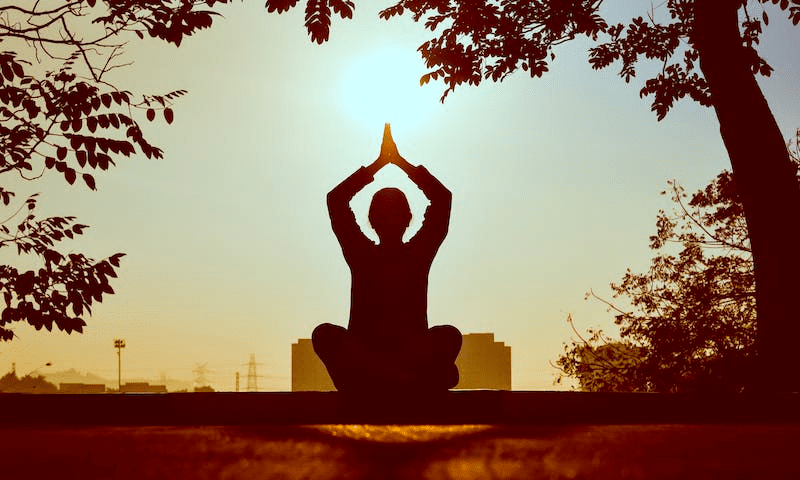
Is it safe to exercise during pregnancy?
For most women, yes. If your pregnancy is healthy and uncomplicated, staying active does not raise your risk of miscarriage, low birth weight, or early delivery. The American College of Obstetricians and Gynecologists (ACOG) encourages women with normal pregnancies to keep moving.
That said, every pregnancy is different. Talk to your doctor at an early prenatal visit before you start or continue any routine, especially if you have heart or lung conditions, high blood pressure, vaginal bleeding, or a low-lying placenta. If you exercised regularly before pregnancy, you can usually carry on. If you are new to it, this is a fine time to begin. Just start gently.
How much exercise do you need?
Aim for about 150 minutes of moderate activity each week. That works out to 30 minutes a day, five days a week, and you can break it into shorter 10-minute blocks if that suits you better.
Moderate has a simple test. You should be working hard enough to raise your heart rate and break a light sweat, but still able to hold a conversation. If you can talk but not sing, you are in the right zone. If you cannot finish a sentence, ease off.
Always warm up first. Five minutes of slow walking or stationary cycling on low resistance is enough to loosen your muscles before you pick up the pace. Gentle rotations of the neck, shoulders, knees, and ankles help you ease in too.
Benefits of daily physical activity
For pregnant women, daily physical activity can:
Keep your mind and body healthy
Help you gain the right amount of weight during pregnancy
Ease some common discomforts of pregnancy, such as constipation, back pain and swelling in your legs, ankles and feet
Help you manage stress and sleep better.
Help reduce your risk of pregnancy complications, like gestational diabetes and preeclampsia.
Help reduce your risk of having a cesarean birth (also called c-section).
Best exercises during pregnancy
A handful of activities are gentle on your joints and easy to keep up as your body changes.
Walking is the simplest place to start. It works the whole body, keeps your circulation going, and asks nothing of your joints. You can do it almost anywhere, at any stage.
Swimming and water workouts are among the safest options. The water carries your weight, taking pressure off your back and pelvic floor while still working your arms, legs, and back. Many women find it the most comfortable exercise in late pregnancy.
Stationary cycling raises your heart rate without the fall risk of a regular bike, which matters as your balance shifts.
Light strength training with small weights or resistance bands keeps your muscles ready for the load of carrying a baby. Skip heavy lifting and holding your breath.
Prenatal yoga builds strength and flexibility and teaches breathing you can lean on during labor. More on that below.
Yoga: your pregnancy wellness partner
Prenatal yoga does more than build strength and flexibility. It teaches breathing techniques (pranayama) you can use during labor, and its focus on mindfulness eases anxiety and helps you feel connected to your changing body. The poses also work the pelvic floor muscles that matter during childbirth.
Safe and beneficial yoga poses for pregnant women
A few poses are widely considered safe and useful in pregnancy. As always, check with your doctor before trying them.
Kati Chakrasana
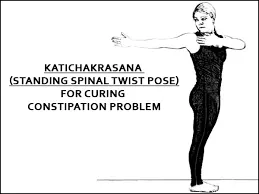
Kati Chakrasana is a yoga exercise that pregnant women can perform. It tones up the waist, back, and hip muscles, prevents spinal deformity, and eases childbirth.
Baddha konasana
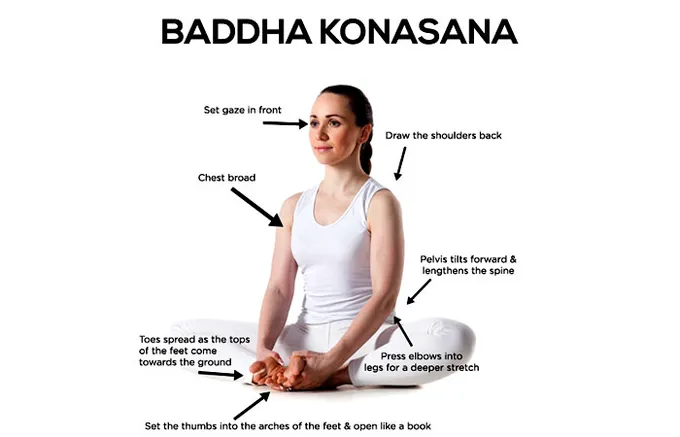
Baddha konasana is another yoga asana for pregnant women. It improves flexibility in the groin and hip region, makes delivery easier and smoother, and stimulates the reproductive system.
Trikonasana
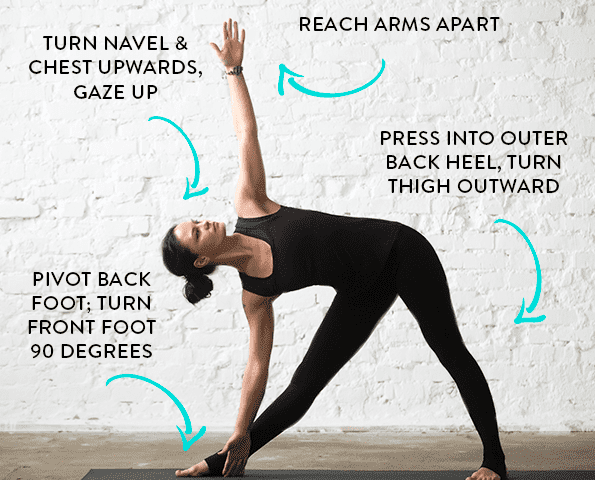
Trikonasana helps maintain physical and mental balance. It is very useful for pregnant women since their center of gravity shifts. It stretches the legs, strengthens body muscles, and opens the hips, which helps during delivery. It also reduces back pain and stress.
Shavasana
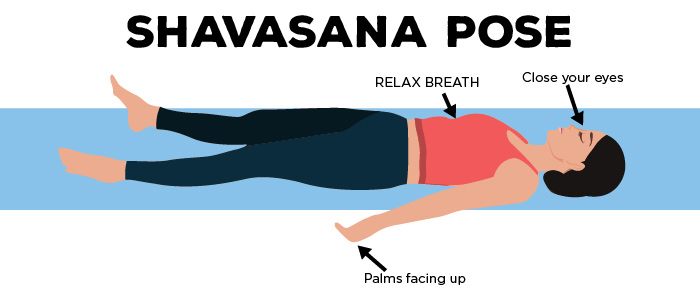
Shavasana calms the mind, relaxes the body by releasing stress, and repairs cells. This also supports self-healing, which matters since pregnant women should avoid taking pills. When we are relaxed, our parasympathetic nervous system is activated, causing a lowered heart rate, a sense of calm, and a decreased release of stress hormones like adrenaline and cortisol.
Pelvic floor and Kegel exercises
Your pelvic floor muscles support the bladder, bowel, and uterus, and they take on extra work as your baby grows. Kegel exercises strengthen them. Stronger pelvic floor muscles help during delivery and lower the chance of leaks and prolapse afterward.
To do a Kegel, squeeze the muscles you would use to stop the flow of urine, hold for a few seconds, then release. Start with 10 to 15 repetitions, a few times a day. You can do them sitting, standing, or lying down, and no one around you will know.
What physical exercises to avoid
There are exercises and activities that can be harmful during pregnancy. Here are the activities you should avoid:
Holding your breath during any activity.
Activities where falling is likely such as skiing, horseback riding, or other high-impact sports.
Contact sports like softball, football, basketball, and volleyball can pose a risk of collisions or falls, increasing the chances of abdominal trauma.
Activities with jarring motions or rapid changes in direction or high impact on the joints.
Activities with extensive jumping, hopping, skipping, bouncing, or running put stress on the joints and pelvic floor muscles.
Exercises involving deep knee bends, full sit-ups, double leg raises, and straight-leg toe touches can strain the abdominal muscles.
Bouncing while stretching can strain the muscles and ligaments.
Waist-twisting movements while standing can strain the abdominal muscles and potentially affect the uterine ligaments.
Heavy exercise spurts followed by long periods of no activity can put undue stress on the body.
Warning signs: when to stop exercising during pregnancy
Listen to your body during pregnancy, and stop exercising immediately if you experience any of these symptoms:
severe pain
vaginal bleeding
dizziness
shortness of breath
irregular or rapid heartbeat
difficulty walking or pain in back or pubic area are felt
If you experience any of these symptoms, stop exercising immediately and contact your healthcare provider.
Trimester-specific exercise considerations
Your changing body has different needs throughout pregnancy:
First trimester (Weeks 1-12)
While you may not look pregnant yet, fatigue and nausea can affect your exercise routine:
- Maintain pre-pregnancy routine if you feel well enough, but do not push through exhaustion
- Focus on establishing consistent, moderate activity habits
- Stay well-hydrated and avoid overheating
Second trimester (Weeks 13-26)
Often called the “golden period” of pregnancy when energy levels improve:
- With renewed energy, this is often an ideal time to establish a regular exercise routine
- Be aware that your center of gravity is starting to shift
- Modify exercises as your belly grows
- Begin to avoid exercises performed while lying flat on your back
Third trimester (Weeks 27-40)
As your baby grows significantly:
- Decrease intensity as needed and focus on maintaining activity rather than increasing it
- Emphasize balance exercises as your center of gravity continues to shift
- Consider water exercises to relieve pressure on your joints
- Focus on pelvic floor strengthening and breathing exercises to prepare for labor
Read more about pregnancy milestones
First Trimester Pregnancy Milestones
Conclusion
Each pregnancy is unique, so talk to your healthcare provider before starting or continuing any exercise program. Maintaining a daily exercise routine throughout your pregnancy can help you stay healthy and feel your best.
With proper guidance, regular physical activity can help you manage common discomforts and prepare your body for labor and delivery. Listen to your body, adjust as needed, and appreciate what your body can do as it nurtures new life.
30 minutes or more of moderate exercise per day on most if not all days of the week, unless you have a medical or pregnancy complication.