Congratulations on the arrival of your little one! As you embrace the joy of parenthood, you may be thinking about post pregnancy weight loss and how to shed those extra baby pounds. Millions of new mothers deal with this every year, balancing recovery, childcare, and personal wellness goals. In this blog post, we will explore post pregnancy weight loss, exercise after giving birth, and maintaining a nutritious diet for both you and your baby.
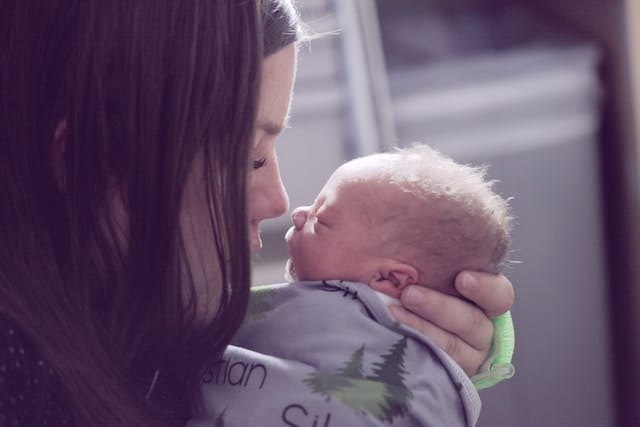
Post Pregnancy Weight Loss
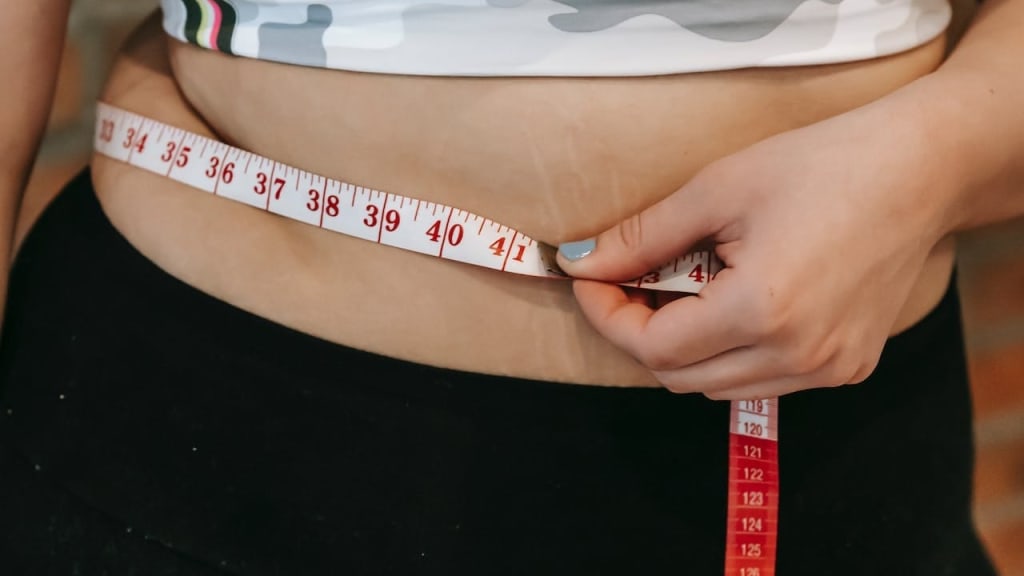
1. Timeline for Losing Baby Weight
- Gradual Process: Post pregnancy weight loss is a gradual process, taking up to a year to return to pre-pregnancy weight.
- Initial Weight Loss: After delivery, most women lose around 10 to 13 pounds, primarily due to the baby delivery and the loss of retained fluids.
2. Factors Affecting Weight Loss
- Delivery Method Matters: The method of delivery (C-section or vaginal birth) and your body healing rate play important roles in post pregnancy weight loss.
- Breastfeeding Impact: Breastfeeding burns additional calories, helping with weight loss. However, maintaining a healthy diet is important to support recovery and milk production.
What science tells us:
- Most women retain 5-10 pounds of pregnancy weight one year after delivery
- A healthy postpartum weight loss rate is 1-2 pounds per week
- Complete recovery to pre-pregnancy weight may take 6-12 months
- Your body shape may permanently change even after reaching your pre-pregnancy weight
Remember that every pregnancy and recovery is unique. Your progress will depend on several factors including pre-pregnancy weight, weight gained during pregnancy, genetic factors, lifestyle, and whether you are breastfeeding.
How Pregnancy Changes Your Body
Pregnancy affects more than just your weight, it transforms your entire physiology:
- Abdominal muscles: Pregnancy stretches the abdominal muscles and may cause diastasis recti (separation of abdominal muscles)
- Pelvic floor: Supporting the growing uterus can weaken pelvic floor muscles
- Metabolism: Hormonal fluctuations affect how your body processes nutrients and stores fat
- Breast tissue: Milk production causes breast enlargement and changes in density
Understanding these changes helps set realistic expectations for your recovery and weight loss.
The “Is This Normal?” Quick Guide
During the first six weeks (often called the Fourth Trimester), your body is doing heavy lifting to heal. According to the American College of Obstetricians and Gynecologists (ACOG), here is a general baseline:
- Normal: Lochia (bleeding) for up to 4-6 weeks, shifting from bright red to brown/yellow.
- Call the Doctor: Soaking through a pad in less than an hour, or passing large blood clots.
- Normal: “Baby blues” (weeping, anxiety, mood swings) peaking around day 3-5 and fading by week two.
- Call the Doctor: Feelings of hopelessness, inability to sleep when the baby sleeps, or thoughts of self-harm lasting past two weeks (signs of PPD).
The “Sleep When the Baby Sleeps” Myth
Everyone tells you to do this. But if you have laundry, pumping parts to wash, or a toddler running around, this advice feels like a joke. Instead, aim for “Rest When the Baby Rests.” Even if you can’t fall asleep, lying on the couch for 20 minutes with your eyes closed and a podcast playing lowers your cortisol levels. Protect that downtime fiercely.
Why the Scale Isn’t Moving
If you are eating well, walking when you can, and the number on the scale still won’t budge, you are not doing anything wrong. Several things outside your control slow weight loss in the first year, and most of them have nothing to do with willpower.
- Cortisol and stress: Broken sleep and a constant state of alert keep cortisol high. Cortisol signals your body to hold on to fat, especially around the belly, and it can worsen insulin resistance.
- Prolactin: The hormone that drives milk production also tells your body to keep some fat in reserve. Many mothers find weight comes off more easily after weaning, when prolactin settles.
- Thyroid changes: Postpartum thyroiditis affects up to 10% of new mothers. It can slow your metabolism and leave you exhausted. If fatigue, hair loss, or weight gain feel out of proportion, ask your doctor for a thyroid panel.
- Sleep loss: Less than five hours of sleep raises ghrelin, the hunger hormone, and lowers leptin, which tells you when you are full. You end up hungrier and your metabolism runs slower.
- Nutrient depletion: Pregnancy, birth, and breastfeeding draw down your stores of iron, B12, magnesium, and omega-3s. Running low keeps your energy and metabolism sluggish.
Most of these hormonal shifts take 6 to 12 months to balance out. Patience here is not a consolation prize. It is the realistic timeline.
Post pregnancy Exercise

1. When to Start Exercising
Post pregnancy Checkup: Wait until after your post pregnancy checkup, typically around six weeks after delivery, before starting more intense exercises.
Customized Approach: The timing varies based on your delivery type. After an uncomplicated vaginal birth, you may resume light activity sooner. After a C-section, expect to wait the full six weeks before targeted abdominal work, and longer if your provider advises it.
Start with Walking: Gentle walking, deep breathing, and pelvic floor (Kegel) exercises are usually safe early on, even within the first weeks, as long as you feel comfortable and your doctor has cleared movement.
2. Tips for Creating a Workout Plan
Take it Slow: Listen to your body and follow the 10% rule for increasing activity gradually.
Incorporate into Parenting Routine: Integrate short bouts of exercise into your daily routine, such as exercising with your baby or during naptime.
Focus on Core and Pelvic Floor: Rebuild your core and pelvic floor before doing anything more demanding. These are the areas pregnancy weakens most.
Skip Crunches and Planks at First: Many women have some diastasis recti, a separation of the abdominal muscles, in the early weeks. Crunches, planks, and twisting moves can make it worse. If you see a bulge or doming down the middle of your belly during an exercise, stop. Start instead with diaphragmatic breathing and gentle pelvic floor engagement.
3. Rest Importance
- Prioritize Rest: Rest is important in post pregnancy recovery. Deep sleep helps recovery and supports weight loss efforts.
Post pregnancy Nutrition

1. Nutrition Tips for Weight Loss
Healthy Protein Intake: Emphasize protein-rich foods like fish, chicken, nuts, and beans to stay full and aid post-exercise recovery.
High-Fiber Foods: Include whole grains, fruits, and vegetables for fiber, helping with post pregnancy constipation and providing quick-burning carbohydrate energy.
Pair Protein with Fiber for Snacks: You will reach for snacks at odd hours with a newborn. Combinations that hold you over work better than grabbing whatever is closest. Greek yogurt with fruit, hummus with vegetables, or a handful of nuts each pair protein with fiber and keep hunger steady between feeds.
2. Foods to Avoid
Skip Crash and Extreme Diets: This is the one to watch. Keto, very low-calorie plans, or eating a single meal a day can backfire after birth. They can drain your energy and, if you are breastfeeding, affect your milk and your baby. Steady eating with portion awareness beats any quick fix.
Limit Sugar and Refined Carbs: Opt for whole grains over refined carbs, as excess sugar can hinder weight loss goals.
Minimize Processed Foods: Avoid processed snacks and fast food, opting for nutrient-dense options.
3. Nutrition Tips while Breastfeeding
Don’t Cut Calories Too Soon: Wait until your baby is at least two months old and your milk supply has settled before reducing how much you eat. Breastfeeding burns roughly 300 to 500 extra calories a day, so most nursing mothers need to eat more, not less. Cutting back too hard or too early can lower your supply.
Stay Hydrated: Drink extra non-caffeinated liquids while breastfeeding.
Moderate Alcohol Consumption: Limit alcohol intake, allowing at least two hours before breastfeeding to minimize alcohol transfer to breast milk.
Adjust Caloric Intake: Gradually decrease calorie intake as breastfeeding or pumping is reduced.
4. Maintaining Healthy Eating Habits
Avoid Skipping Meals: Core meals provide essential fuel; skipping them may lead to unhealthy cravings.
Stick to a Routine: Set routine mealtimes and portions, and consider meal kit subscriptions for convenience.
Setting Realistic Goals
1. Safe Weight Loss
Pre-Pregnancy Weight: Losing excess weight before pregnancy reduces potential risks.
Gradual Weight Loss: Aim for a gradual weight loss of about half a kilogram per week while breastfeeding.
Setting SMART Goals For Your Postpartum Journey
Create goals that are:
- Specific: “I will walk for 20 minutes three times this week” versus “I will exercise more”
- Measurable: Track your progress through journaling, apps, or fitness trackers
- Achievable: Start with small wins before tackling bigger challenges
- Relevant: Choose activities you enjoy and that fit your current lifestyle
- Time-bound: Set short-term milestones toward your long-term goals
2. Embracing Your Body

Enjoy a Healthy Lifestyle: Focus on a healthy lifestyle rather than fixating on appearance.
Be Proud: Regardless of weight changes, be proud of what your body achieved in bringing new life into the world.
Accept Your Body: Accept your body as it is and focus on health and wellness.
Also read our post on Healthy Weight Gain During Pregnancy: A Complete Guide
Seeking Support and Advice
Consulting Professionals: Talk to your doctor or a dietitian for personalized advice, especially if you have concerns about weight or were overweight before pregnancy.
Community Support: Joining active mothers groups or seeking help from friends and family can ease the transition into post pregnancy life.
Conclusion
Post pregnancy wellness involves a personalized approach to weight loss, exercise, and nutrition. Remember, this is unique for every individual. Postpartum weight loss timeline is unique to everyone and influenced by numerous factors including your pregnancy experience, recovery process, and current lifestyle. Embrace the process, prioritize self-care, and seek support when needed. Your well-being is just as important as caring for your precious little one.
Remember: Always consult with your healthcare provider before beginning any post-pregnancy weight loss or exercise program, especially if you experienced complications during pregnancy or delivery.