The second trimester runs from week 13 to about week 27. Many mothers call it the easiest stretch of pregnancy, and there is a reason for that. The nausea and bone-deep tiredness of the first trimester usually start to lift. Appetite returns. Energy comes back. For a lot of women this is the window when pregnancy finally starts to feel less like an illness and more like the experience they imagined.
Your body keeps changing through these weeks. The bump becomes obvious, your breasts continue to grow, and somewhere between weeks 18 and 22 you may feel your baby move for the first time. Those early flutters are called quickening. They are faint at first, easy to mistake for gas or a twitch, and then over a few weeks they sharpen into kicks you cannot miss.

Note: This article is the 2nd part of 3 part series on pregnancy milestones. Also read
i) First Trimester Pregnancy Milestones: A Comprehensive Guide
ii) Third Trimester Pregnancy Milestones: A Comprehensive Guide
Common Symptoms
No two pregnancies feel the same. Still, a handful of symptoms show up often enough in the second trimester that they are worth knowing about ahead of time:
Growing belly and breasts: As your uterus expands to make room for the baby, your belly grows. Your breasts keep increasing in size too. This is often the stage when dressing the growing bump becomes a daily consideration, and a few thoughtful maternity fashion choices during pregnancy can keep you comfortable and confident.
Round ligament pain: A sharp or achy pull down the sides of your lower belly, especially when you stand up quickly or roll over in bed. The ligaments holding up your uterus are stretching.
Increased appetite: With the nausea gone, hunger often comes back with force. This is normal, and it is a good time to focus on what you eat rather than just how much.
Nasal congestion and nosebleeds: Higher blood volume and pregnancy hormones swell the lining of your nose, so a stuffy nose or the occasional nosebleed is common.
Swollen ankles and feet: Mild swelling often starts in this trimester, usually worse by the end of the day.
Carpal Tunnel Syndrome: Numbness, tingling, or weakness in your hands, caused by fluid pressing on the nerves in your wrists.
Itchy, stretching skin: The skin over your belly stretches and can feel tight or itchy.
Linea Nigra: A dark line may appear, running from your belly button down to your pubic hairline.
Melasma: Patches of darker skin may show up on your face.
Darkening areola: The skin around your nipples often deepens in colour.
Lower back and pelvic pain: These aches can become more noticeable as your centre of gravity shifts.
Stretch marks: These may develop along your breasts, abdomen, buttocks, and thighs.
Most of these are uncomfortable rather than worrying. But sudden or severe swelling, a bad headache, or changes in your vision are reasons to call your doctor or midwife the same day, since they can point to high blood pressure.
Healthy Lifestyle during Pregnancy
Incorporate these practices into your second trimester and throughout your pregnancy for a healthier experience:
- Exercise: Maintain a regular exercise routine; ensure you can hold a conversation while working out. Always consult your healthcare provider regarding pregnancy-safe exercises.
Read Health Benefits of Daily Physical Activity during Pregnancy
- Nutrition: Eat a variety of foods to meet your energy, protein, vitamin, and mineral needs. Iron and folate matter especially now, as your blood volume rises and your baby’s brain and spine keep developing.
Read Iron and Folate: Key Nutrients for a Healthy Pregnancy and Healthy Weight Gain During Pregnancy
- Know what to skip: Certain foods, habits, and exposures carry real risks during pregnancy. A quick refresher helps.
Read What to Avoid During Pregnancy: The Complete Safety Guide
- Look after your gums: Pregnancy hormones make gums more prone to bleeding and inflammation, and gum disease has been linked to preterm birth.
Read Pregnancy Dental Care: Gum Health & Preterm Birth Risks
Pregnancy can be an exciting time, but it is also normal to feel anxious or low at points. Sometimes one or both parents struggle with difficult emotions, such as worry about the birth or about coping as a parent. Talking through these things together early can help. Many couples find it useful to have a few honest conversations now, before life gets busier.
If you find yourself concerned about experiencing anxiety, feelings of low mood, or depression, consult doctor, obstetrician or midwife.
Baby’s Growth During the Second Trimester
Throughout the second trimester, your baby’s development becomes more intricate. Key developments include:
- Bones hardening
- Thickening of the skin
- Formation of toenails
- Development of the nervous system
- Progress in hearing
- Fully formed motor control brain region
- Ability to open and close eyelids
- Stronger kicks
- Functioning digestive system
- Fully formed lungs
Growth Metrics
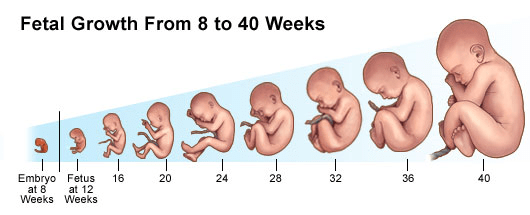
Fetal growth can vary, but by the end of the second trimester, your baby should measure about 35 cm (14 inches) and weigh between 1 to 2 kg.
Regular Antenatal Visits
Regular antenatal appointments are important for maintaining your health and ensuring the well-being of your baby. The frequency of these visits depends on your specific circumstances. Typically, most individuals will have appointments every 4 to 6 weeks during the second trimester, and the frequency may increase as you approach the later stages of pregnancy.
During your second-trimester antenatal visits, your healthcare provider, whether it is a doctor or midwife, will perform the following checks:
- Monitoring your blood pressure.
- Evaluating your hands and feet for any signs of swelling.
- Tracking your weight gain.
- Analyzing your urine for any abnormalities.
Your provider will also discuss the blood tests and scans recommended at this stage.
The 20-Week Anatomy Scan
The big one in the second trimester is the anatomy scan, usually done between 18 and 22 weeks. It is also called the morphology or mid-pregnancy ultrasound. This scan checks your baby’s growth in detail: the heart, brain, spine, kidneys, stomach, and limbs, along with the position of the placenta and the amount of amniotic fluid. Many parents find it the most emotional appointment of the whole pregnancy.
Screening Tests
Around 24 to 28 weeks, most people are offered an oral glucose tolerance test to screen for gestational diabetes, a condition that affects roughly 1 in 10 pregnancies. Catching it early makes it very manageable.
Read Gestational Diabetes: Safely Manage Blood Sugar in Pregnancy
Depending on where you live and your age, you may also be offered a maternal blood screening test (sometimes called the quad or triple screen) that looks at the chance of certain chromosomal and neural tube conditions. Your provider will explain which tests apply to you.
Reaching the end of the second trimester is a real milestone. This is the stretch when many mothers first feel their baby move, when the anatomy scan offers a detailed look at the growing child, and when the day-to-day discomfort of early pregnancy often eases. The baby’s organs and systems are maturing fast, and the bump that was barely there a few weeks ago is now hard to miss.
Next comes the third trimester, the final stretch before birth. If you are starting to think about labour and delivery, the weeks ahead are a good time to begin preparing your body.
Every pregnancy is different, so stay in touch with your doctor or midwife and ask whenever something does not feel right.